MY PROJECTS
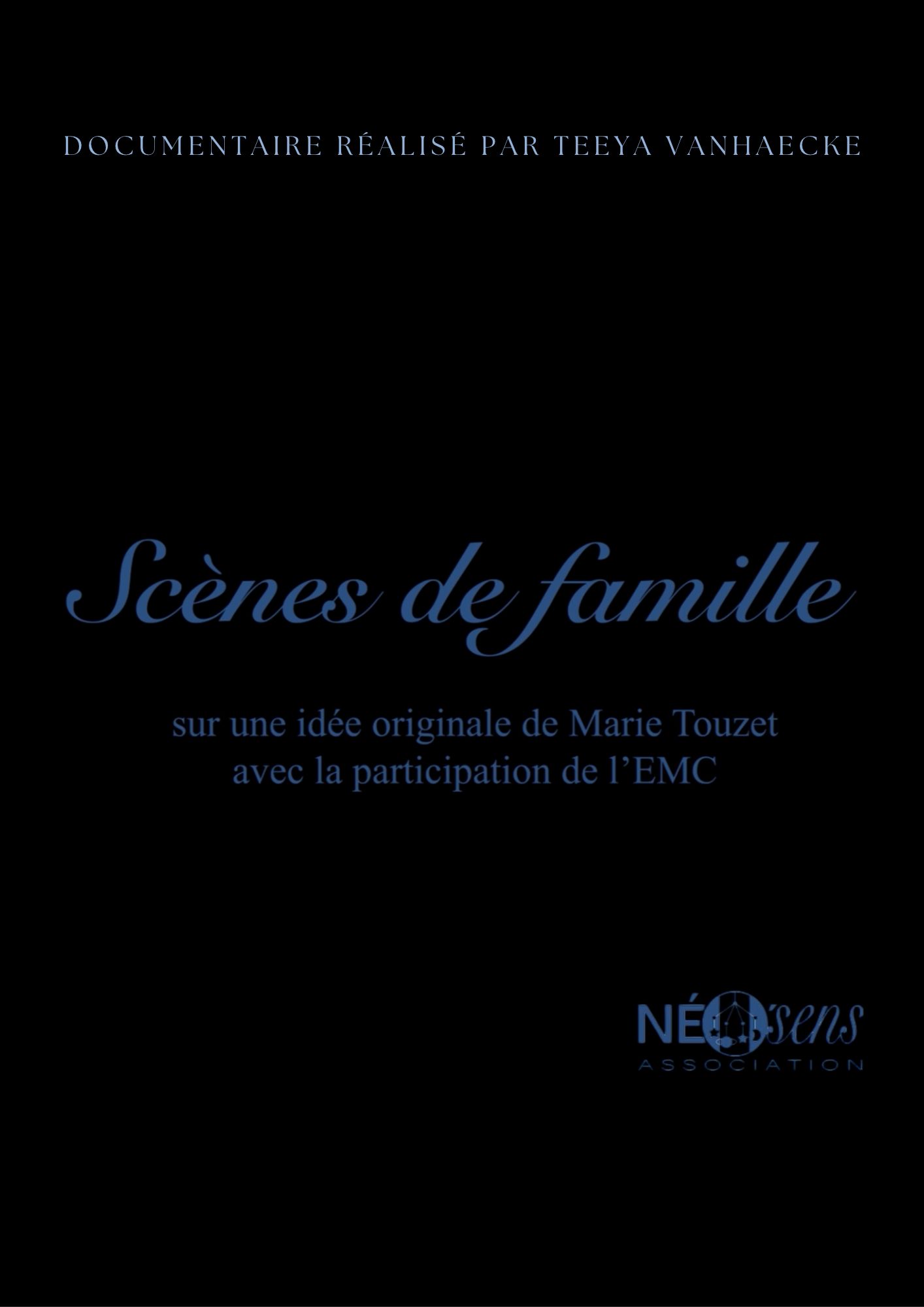
Documentary about neonatal care
This short video is a documentary I made in 2024, as a benevol project during my first year in an audiovsiual arts shcool. I was the film director and editor with a short team of two cameramen, two sound engineers and a producer.
We went to Port-Royal Hospital in Paris to meet the neonatal care team and some parents and interview them about the neonatal unit, their experiences and feelings. The goal was to explain what neonatology was to public and raise awareness for prevention purposes.
During the post-production part, I was the sole editor. I used Premiere Pro for video editing and sound design and After Effects for the titles and small effects. I worked closely with the head of the neonatal unit, Marie Touzet, who explained me and shared her vision for the final film. The documentary was screened during a conference in the hospital, attented by families and hospital staff.
Beyond the filmmaking experience, this project was a truly meaningful human experience. Interviewing grandparents, students and healthcare professionals opened our eyes to a subject that is still relatively unknown to the general public and often not explained in enough detail. We were lucky to learn so much in such a short time, thanks to people whose stories and personalities were all unique.
Being the director gave me the opportunity to ask all the questions I could think of and to build an extraordinary connection with people whose lives sometimes shared similar stories. As this was my very first project, working on such a touching and personal subject made the experience even more special. Every story that was shared with us will stay in our minds, and this project will always remain an unforgettable memory.
Remake of Get Out
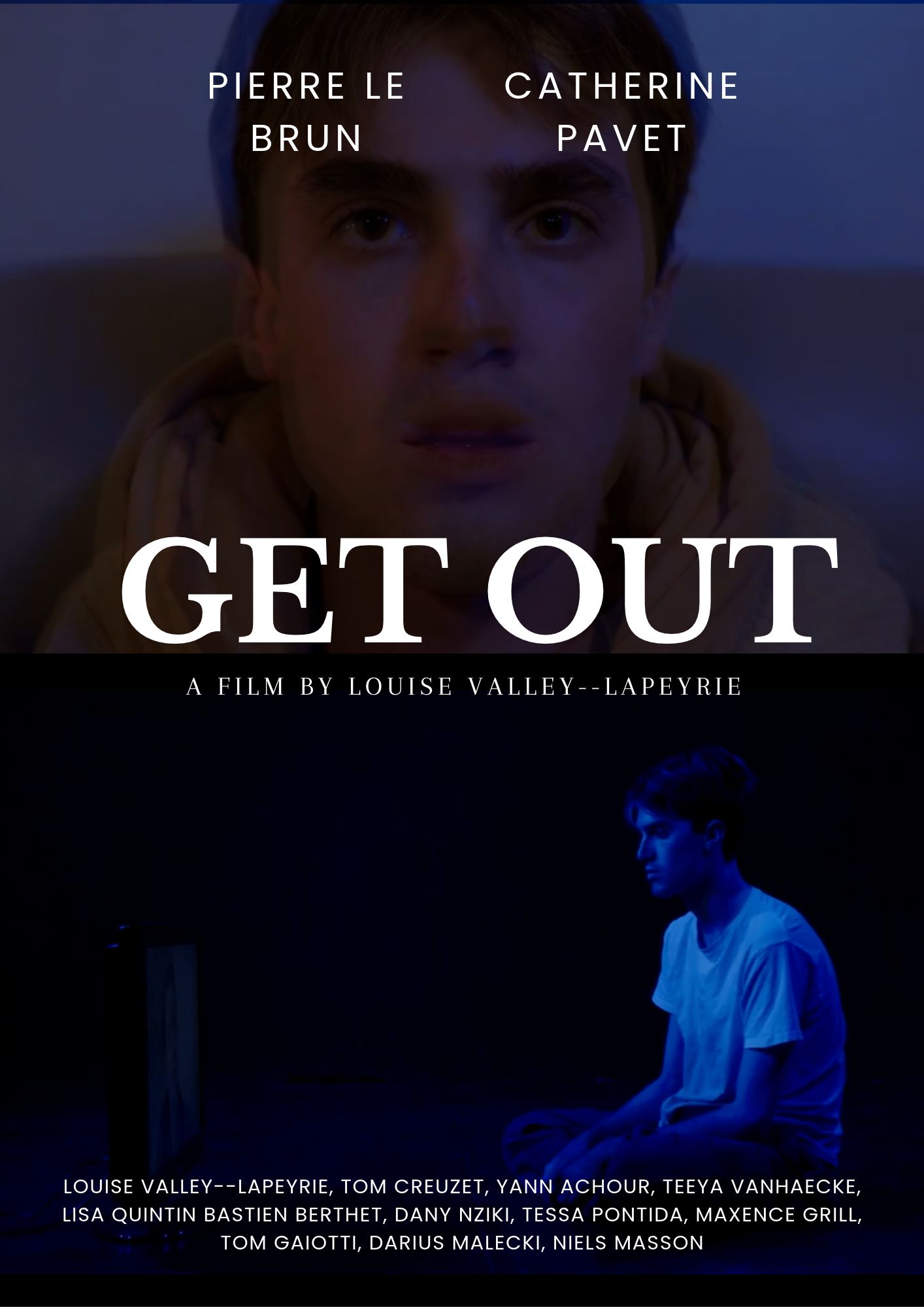
For the final project of my first year in my editing formation, we had to do a remake of a movie scene. With my team, we chose the movie "Get Out", directed by Jordan Peele in 2017. Our team consisted of one director, two assistant director, one script supervisor, three camera operator, one lighting operator, four sound engineer, three editors and two actors. On set, I worked as the script supervisor and I was also one of the editors during post-production.
We had to rewrite the script of the hypnosis scene and turn it into a five-to-six minutes short film. We had the biggest project and one of the most complex scene to remake. At the end of the scene, the character of Chris, the boyfriend in the movie, is hypnotized by his stepmother and falls into infinite darkness, representing his subconscious. This project introduced me to the role of a script supervisor. During the preparation stage, I had to communicate regularly with our director to understand every detail of her vision for the short film. I then created detailed continuity breakdown sheets for each scene, listing all the set elements and props that appeared in them. These documents were particularly important during the shooting days, as they allowed the entire crew to know which sets and objects were needed for each scene. I also had to keep track of the characters' outfits and make sure they remained consistent throughout the different scenes. Once on set, I used a dedicated script supervisor's logbook to record information about each shot, including the scene number, take duration and specific details. I had to indicate whether each take was good or not, while carefully checking that no objects had been moved or that no details had changed between takes. This attention to detail was essential to avoid continuity errors during post-production. We had a lot of fun filming the scene and it was even more exciting during post-production.
We were three editors and each one had to edit the movie according to our vision. We still had to respect our director's vision but we were free to had our personnal touch. I used Avid Media Composer to edit my version of the short film. I choose to give the story a sad atmosphere by using precise sound design that I imagined while we were on set. I enjoyed recreating this famous scene and it was quite challenging to edit, especially with the themes and lighting choices we had made. This short film allowed me to explore my own storytelling style and further develop it in my final project. It was a real source of inspiration, as I had always admired the director's style and loved the film "Get Out" even before starting this project. It gave me the opportunity to combine different influences from my everyday life with my own cinematic culture, creating something that felt both personal and shared with the rest of the team.
The Red Thread Theory
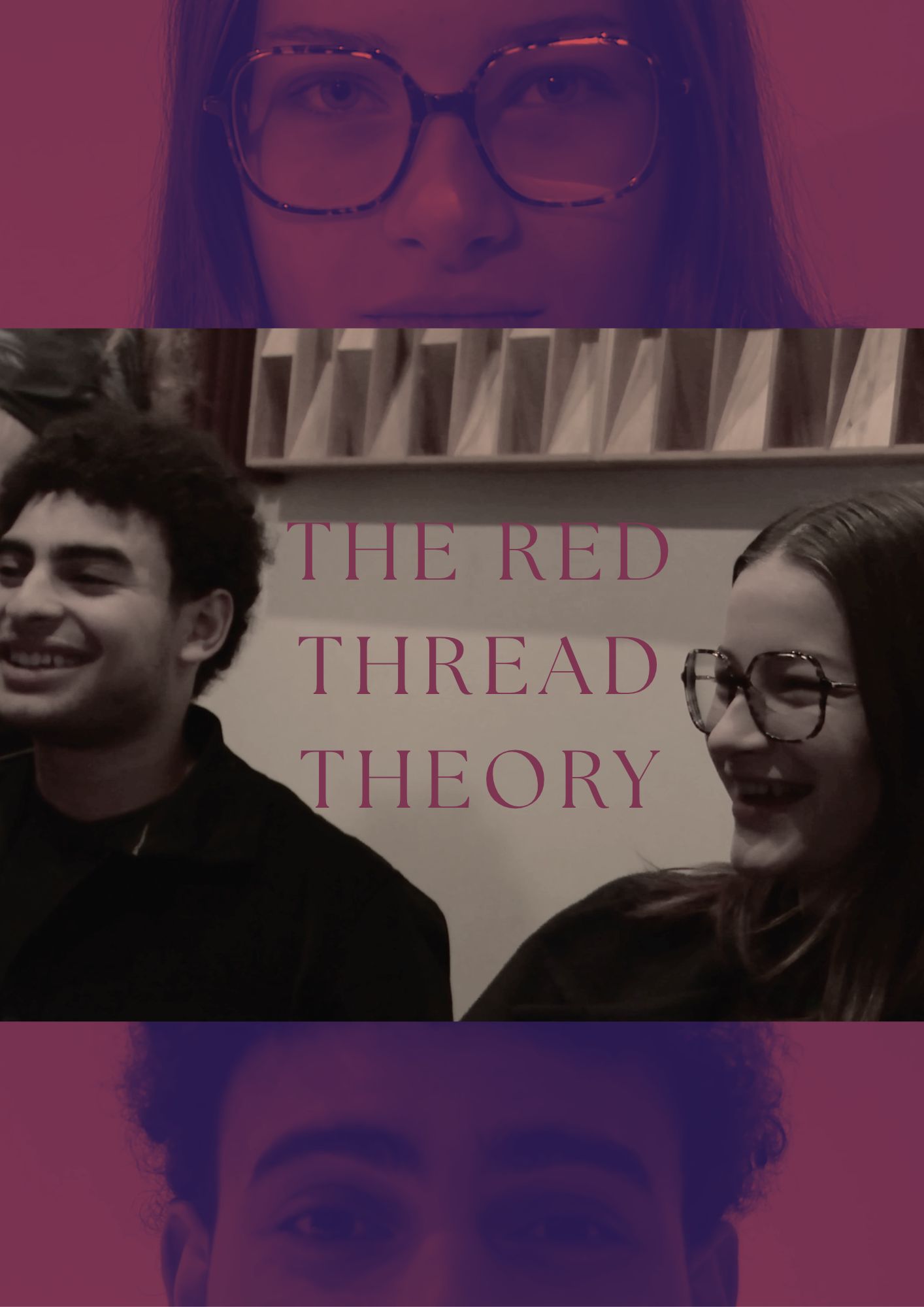
There is a Japanese theory called "The Red Thread Theory". This legend is an ancient belief that two people who are destined to meet are connected by an invisible red thread. This thread is tied around their little fingers and connects them, no matter the distance, time or obstacles they may face. It may stretch or become tangled, but it will never break. The legend symbolizes destiny, love and special connections between people who are meant to be part of each other's lives.
During a camera exercice, we had to imagine and create a short scenario lasting maximum of one to two minutes. Even though we were an editor class, we had to do everything on our own. We had to write our story, organise the scenes and the order of the shots, film it ourselves and edit it afterwards. We worked in teams of two. I had "The Red Thread Theory" in mind, so I thought it would've been an original idea for our project. Our goal was to make our actors meet and gradually fall in love as the day went by, because they were connected by the red thread. I filmed some of the shots with our actors with a Sony camera and I did the editing and sound design on Davinci Resolve.
I really enjoyed this short project because I find learning about camera techniques quite exciting and challenging. It is another way to express your creativity and personnal style in a different way than editing. Furthermore, I was learning how to use a camera properly, including its settings and features, so it was a really a good time practice.
We only had one day to write, shoot and edit the entire project, which made the experience particularly intense and rewarding. Working under such time constraints taught us how to be more efficient and make creative decisions quickly. It was also very enriching from a technical point of view, as we discovered new camera techniques and ways of working with shots, framing and movement to achieve a more accurate result that was closer to our original vision.
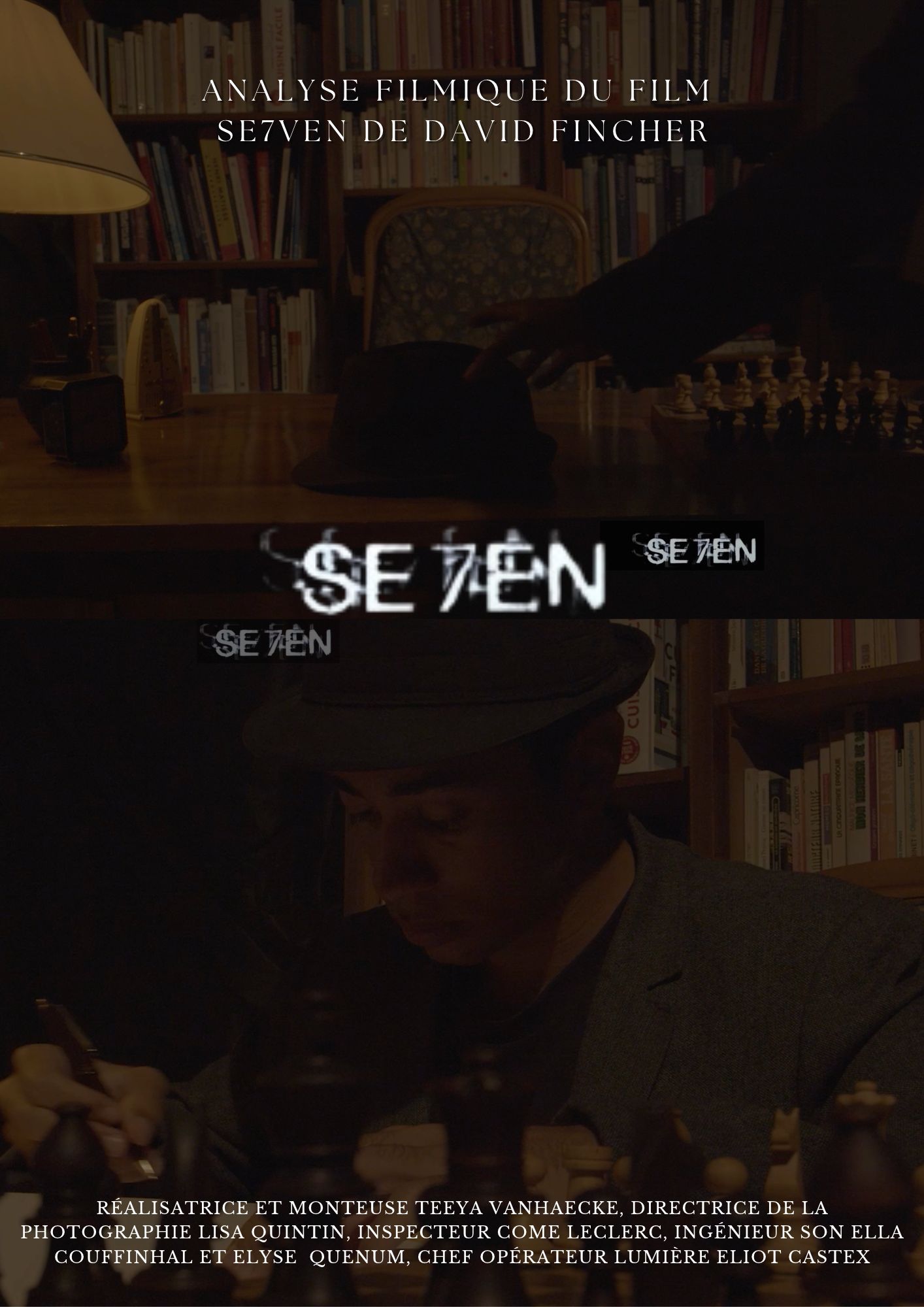
SE7EN Movie Analysis
The movie SE7EN, directed by David Fincher in 1995, follows two detectives, Somerset and Mills, who investigate a series of murders inspired by the Seven Deadly Sins. The film explores dark themes such as human cruelty, violence, obsession, morality and the nature of evil. Its visual aesthetic is particularly striking, with a dark, dirty and oppressive atmosphere. The constant rain, gloomy streets and deep shadows create a feeling of anxiety and claustrophobia. The film is strongly influenced by "Film noir" or "Neo-noir" style from the 1940s and 1950s. One of its most remarkable technical aspects is the use of the "Bleach Bypass" process. This technique created stronger contrasts, deeper blacks and less saturated colours. Its disturbing opening credits also became highly influential in the film industry.
For this school project, we worked in teams of five. I was the film director, script supervisor, editor and colourist. We had to choose a movie and analyse its first fourteen minutes. We had to explain the techniques that were used, give a short summary of the plot and describe how each scenes was shot and designed. To do so, we had to focus on a specific question directly linked to the movie and answer it throughout our analysis. We chose the following question : "How does the movie SE7EN physically and psychologically trap its characters ?". Our instructions were to have a narrator explain everything while we showed images and short extracts from the movie. We went to an appartement and created a set that looked like the movie's visual aesthetic, using small lights, inspector costumes and a huge desk in the centre of the room, in front of a large bookcase. We filmed our project with a small Sony camera and I used Premiere Pro for the editing and sound design.
SE7EN is one of my favorite movies. I immediately thought about it when we were asked to make this short project. It is really interesting and complex to analyse and we also learnt much more about its production and techniques while we were writing our script. I really loved this project because we had the film's visual aesthetic as a starting point, but we could still had our own interpretation and creative vision. I even recreated the opening credits with our names.
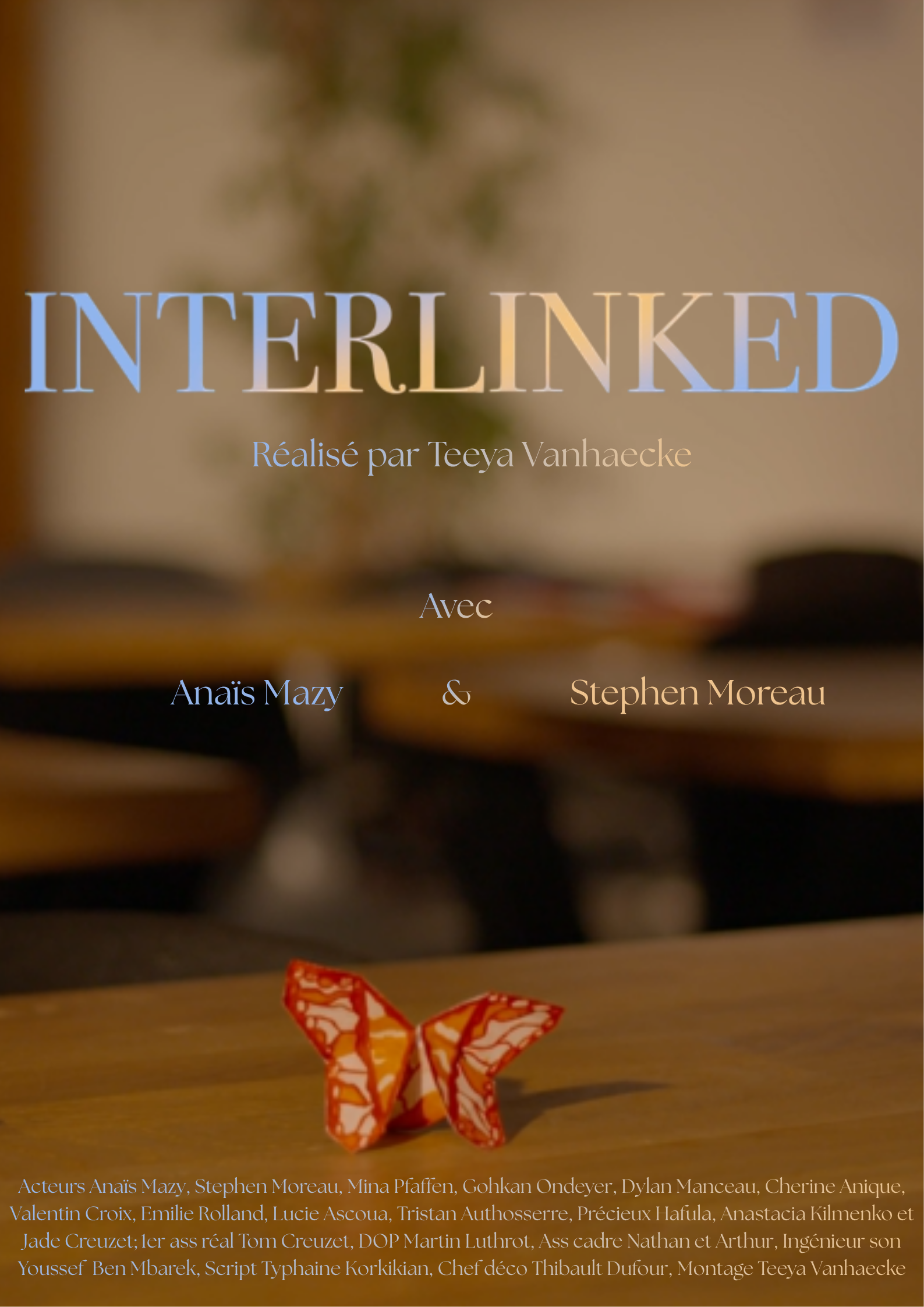
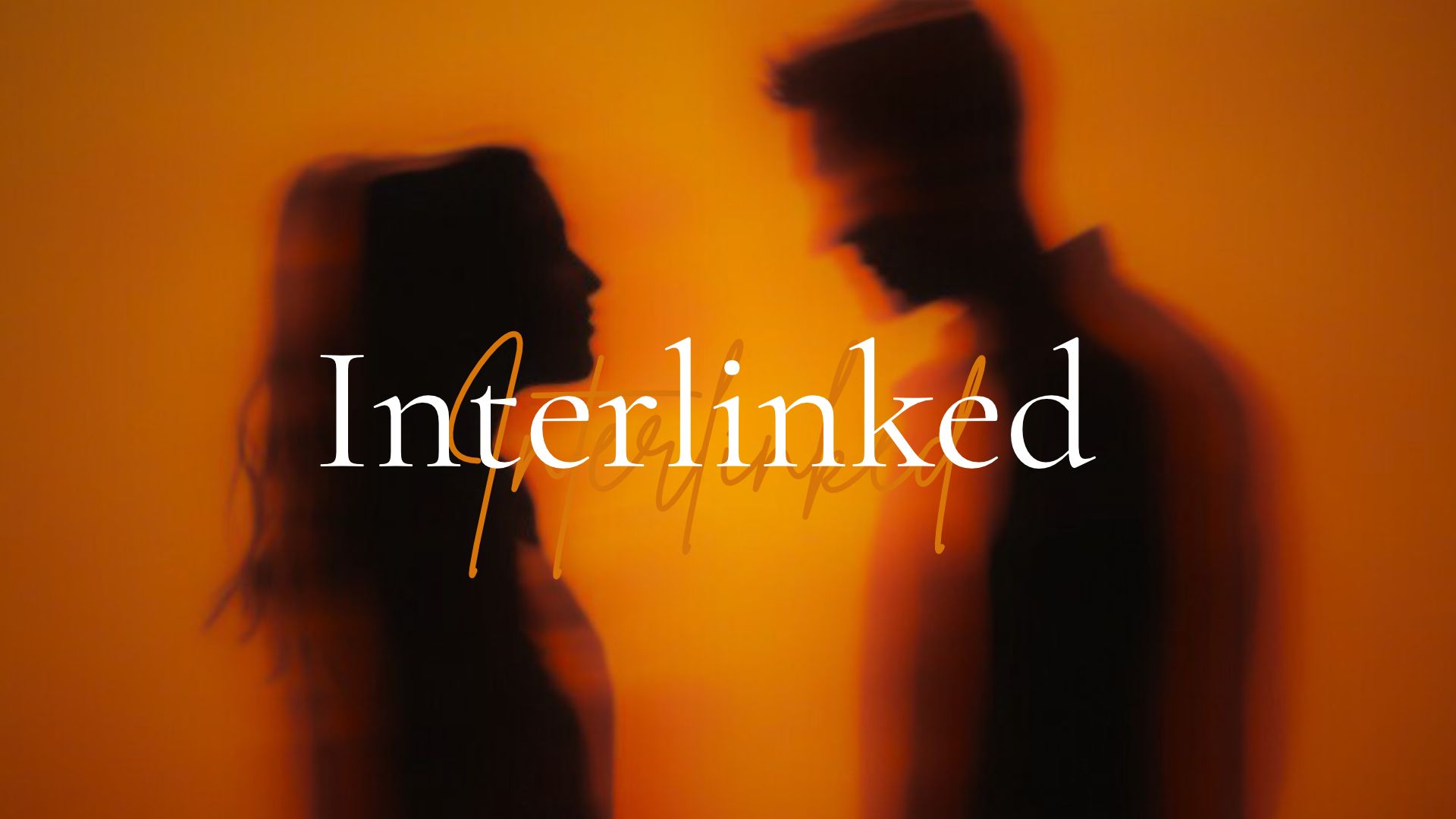
Interlinked Mini-Series
For our final project before graduation, we had to create a mini-series of two or three episodes, each lasting between three and four minutes. The instructions were to imagine a story taking place in a single location, such as an appartement, a shop or a classroom. Each episodes had to end with an answer or a new element that would help the audience understand where the story was heading, rather than leaving them with a cliffhanger. The rest was entirely up to us. We worked in teams of eight. I was the film director, scriptwriter, editor of two out of three episodes and colourist.
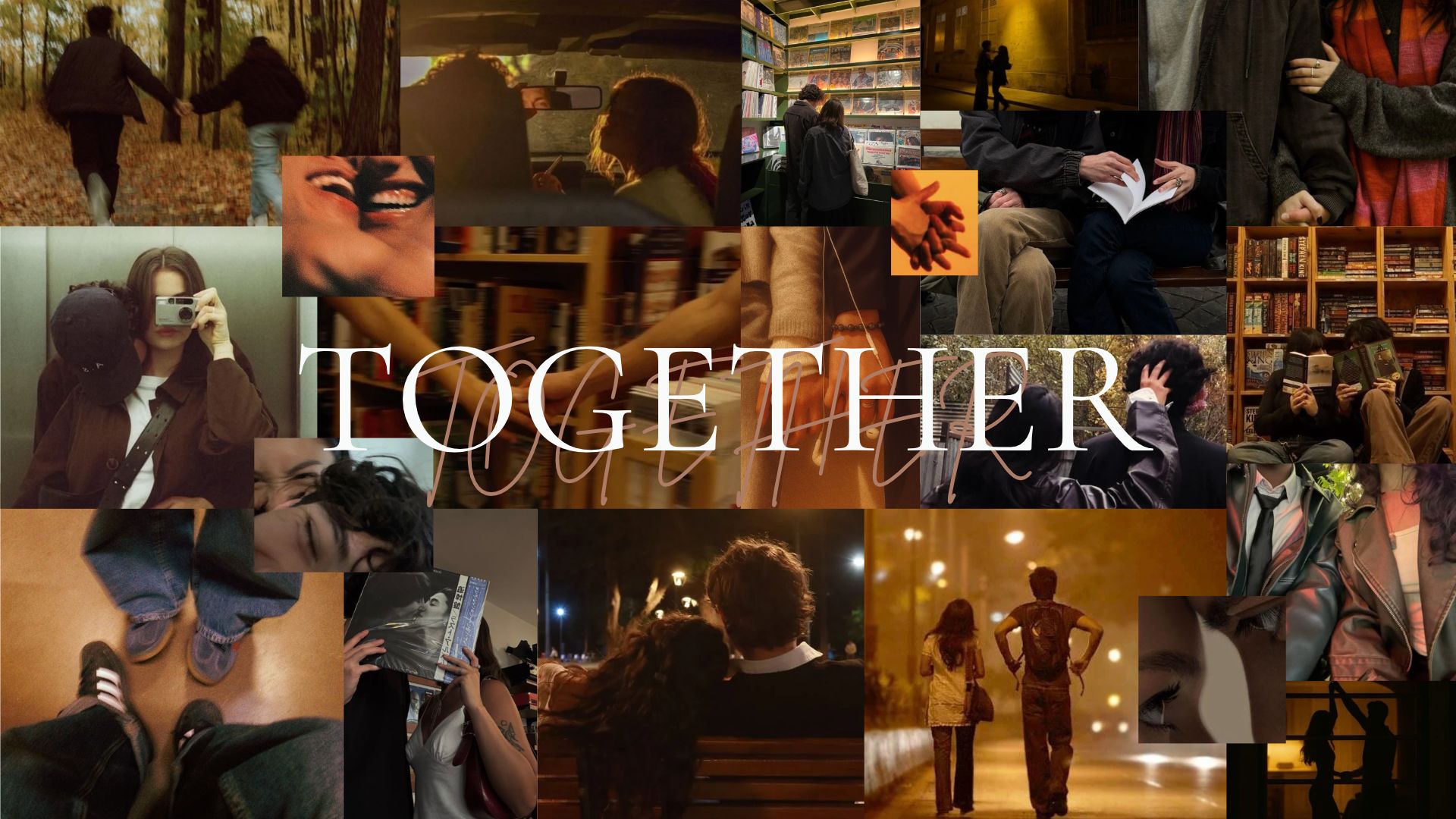
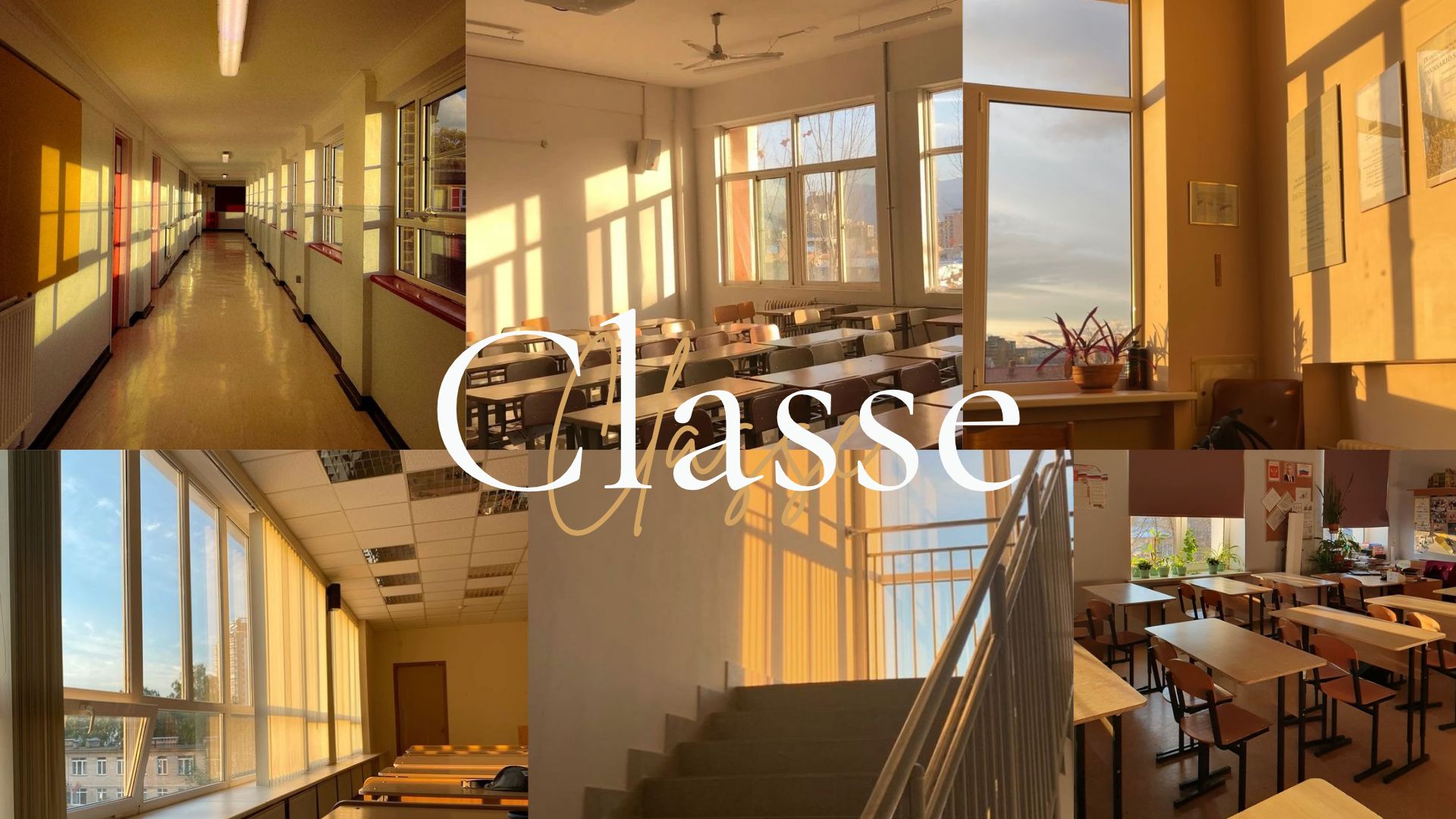
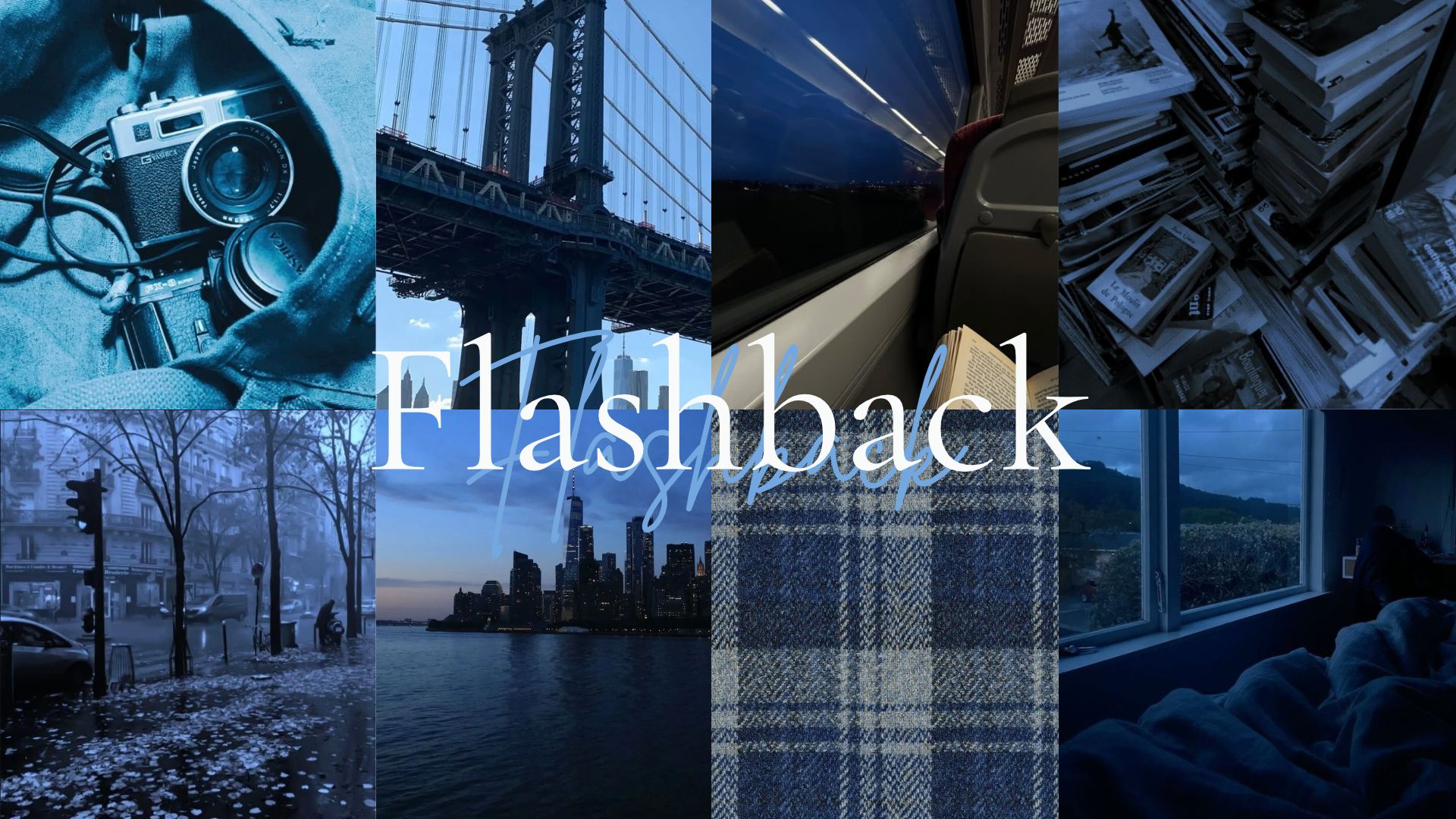
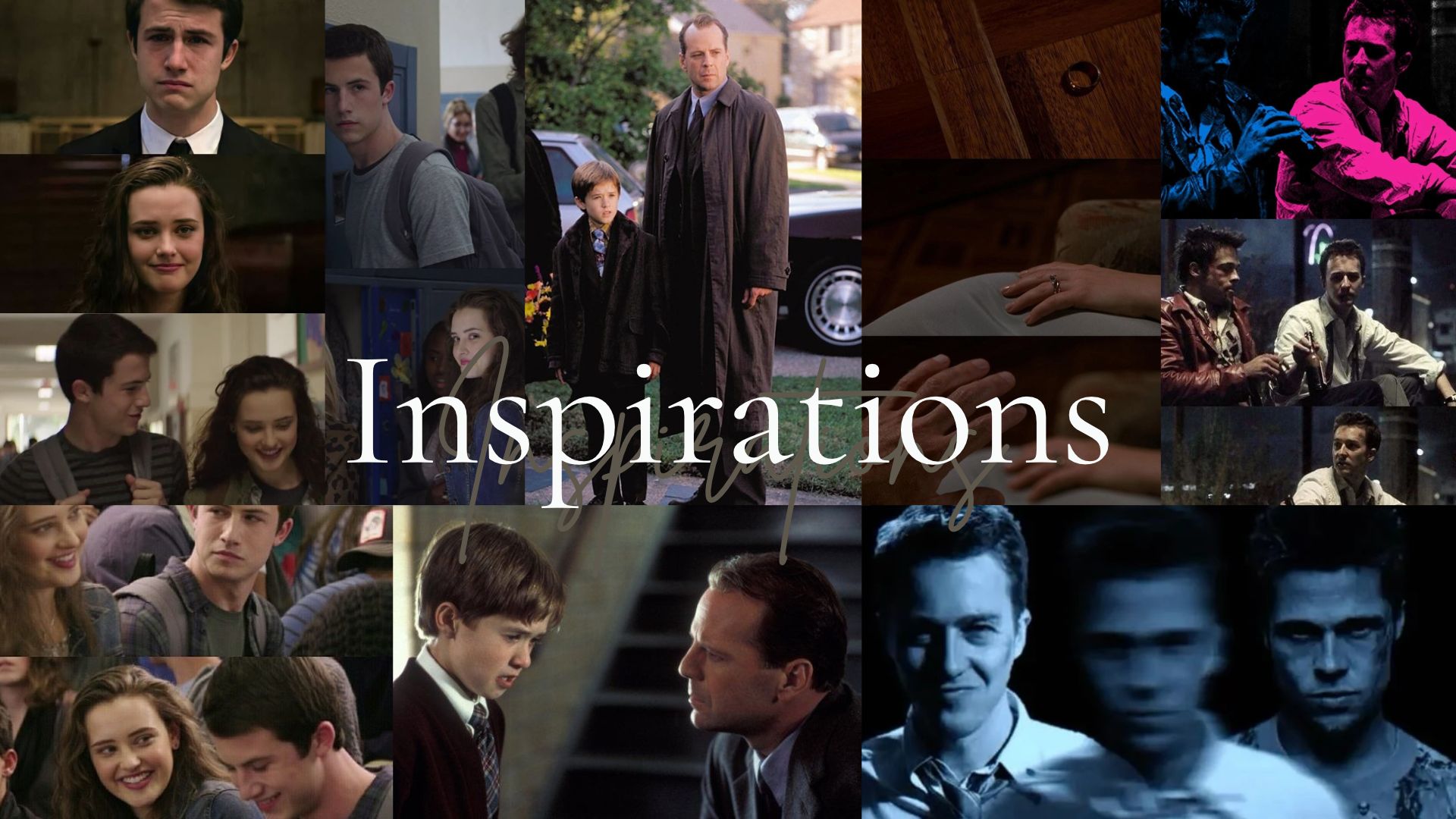
Inspired by the idea of "The Red Thread Theory", I choose "Interlinked" as the main theme of our mini-series. This word represents the connections between people and the way their lives can be linked together, sometimes without them even realising it. I wanted to explore love, relationships, nostalgia, grief and depression through our storyline. I imagined two young characters in a relationship, with the story taking place in a classroom. The visual atmosphere was built around two main lighting colours : dark blue and soft orange. I carrefully imagined and wrote down the details I wanted the audience to see and feel through the screen. My main inspirations were two movies : "Fight Club" and "The Sixth Sens"; as well as the series "13 Reasons Why".
The story follows a nineteen-year-old boy named Seemon, who is deeply in love with his girlfriend. Although he is a gentle and seemingly happy person, something from his past continues to haunt him. After a tragic event, he seems unable to understand what he is fighting against : himself, his own mind or perhaps a memory.
The creative process was exciting but also quite challenging. I wrote the scripts for all three episodes and created a moodboard on Canva to present my ideas to my team and the rest of the class. We then organised castings, which was a completly new and rewarding experience for us. During the three days of filming, we worked with two main actors and several supporting actors. Everyone learned a lot throughout the process. As we had four editors in our team, I was responsible for editing the first and last episodes, as well as part of the opening credits. I then worked on the colour grading of my episodes, following my orginal artistic vision while the visual consistency of the whole mini-series.
This was my first major project as a film director. It made me discover many aspects of filmmaking. We only had five days for editing and three days for colour grading. Nevertheless, seeing my ideas come to life on screen was incredibly rewarding. I am currently re-editing the episodes because I want the final result to be as close as possible to my orginal vision. For now, I can only present and explain the project, but the mini-series will be released soon and I cannot wait to share it.